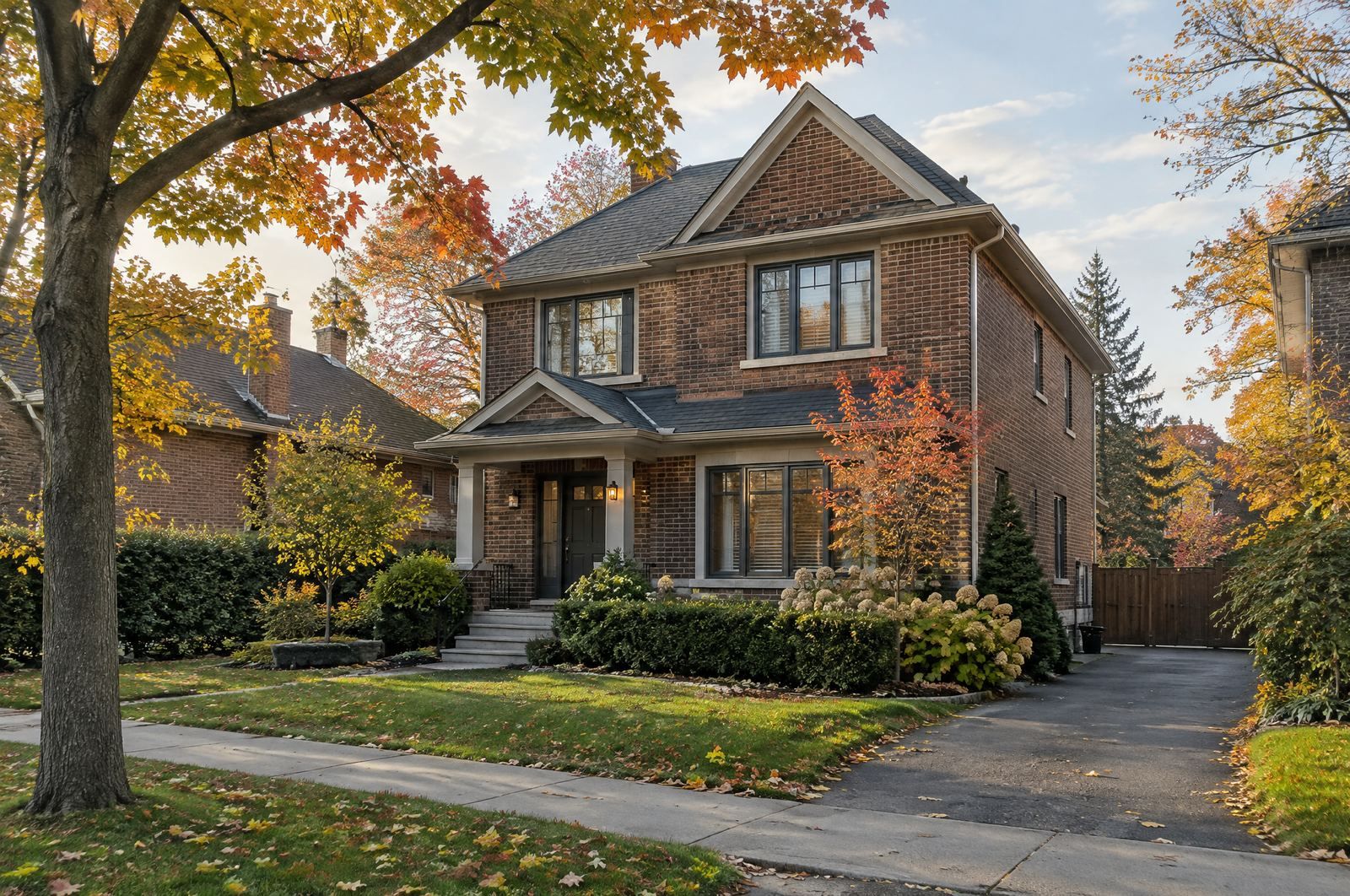
An appraisal is an independent opinion of value for a stated purpose, at a stated date. Most of the work happens away from the property, and the first conversation shapes all of it. This guide follows a typical assignment from the first call to the questions after delivery. AREAS confirms the details for each assignment.
Setting the scope of the assignment
The first call defines the question. We need to know:
- the property address and type;
- the purpose, such as financing, estate settlement, separation, an appraisal review, a construction progress inspection or a commercial acquisition;
- the effective date, which is the date the value applies to. For most work this is the inspection date. For an estate or separation file it may be a date in the past;
- the interest being valued, such as full ownership or a landlord's interest subject to leases;
- who will rely on the report, and when you need it.
Those answers set the scope of work: how the property will be inspected, what research is needed and which approaches to value apply. Changing the purpose or the date later can mean starting again, so settle them at the outset.
Engagement and who the client is
The client is the party that engages the appraiser. For a mortgage, that is often the lender, even when the borrower pays. The Appraisal Institute of Canada (AIC) reminds mortgage brokers that the appraiser's client may not be the broker's client, and privacy rules follow from that. If you are arranging financing, ask your lender or broker how the appraisal must be ordered before you call us. If the lender has not been chosen yet, AIC suggests asking the appraiser about a draft report.
Before work begins, AREAS confirms the client, the intended users, the purpose, the effective date, the scope, the fee and the delivery date. Intended users are the people named in the report as entitled to rely on it. Paying for a report does not, by itself, make someone an intended user.
Property information and the inspection
We gather what is on public record and ask you for what only you have. Our homeowner checklist and commercial checklist list the usual items, from recent improvements and permits to the rent roll and leases.
The inspection records what the property is: its size, layout, construction, condition, finishes and improvements, and anything unusual about the site. The appraiser takes measurements, notes and photographs as the scope requires. It is a different job from a building inspection and does not test systems or look behind walls. Do not expect a value at the door, because the analysis has not started yet.
Analysis and the three approaches to value
Back at the desk, the appraiser studies the market and the property's place in it: zoning, highest and best use, recent sales, listings, rents and building costs. Then one or more of three approaches is applied.
- Direct comparison approach. The property is compared with recent sales of similar properties, with adjustments for differences in location, size, condition, features and date of sale. This is the main approach for most homes.
- Income approach. The income a property can earn is converted into value, either by capitalizing a single year's net operating income or by discounting a cash-flow forecast over several years. It is the main approach for rented commercial and multi-family property. AREAS brings more than 25 years of cash-flow modelling to this approach, including DCF and Argus models.
- Cost approach. The appraiser estimates what it would cost to build the improvements new, deducts depreciation for age and obsolescence, and adds the value of the land. It is most useful for newer buildings, special-purpose property and markets with few comparable sales.
The approaches seldom produce identical figures. In the reconciliation, the appraiser weighs each one by the quality of its evidence and its relevance to the property, then settles on a final opinion of value.
The written report
The report sets out the purpose, the client and intended users, the effective date, the scope of work, the property description, the market analysis, the approaches used, the reconciliation and the final value, along with the assumptions and limiting conditions that apply. Appraisals in Canada follow the Canadian Uniform Standards of Professional Appraisal Practice (CUSPAP), so these elements appear in most reports, whatever the layout. A residential report for a lender is often a standard form, and a commercial report is usually a longer narrative. Our guide to reading an appraisal explains each part.
Fees and turnaround explains what affects the delivery date.
Questions after the report is delivered
Read the report first and note the page for anything unclear. The appraiser can explain the reasoning, correct a factual error and consider new evidence, such as a sale the report missed or a renovation it did not record.
Three situations are common with mortgage reports, and AIC covers the first two in its tips for mortgage brokers.
- A new lender. A report prepared for one lender cannot simply be handed to another. The new lender usually needs a reliance letter, which requires the original lender's permission.
- A changing market. A lender may ask for an updated report if values may have moved since the effective date.
- A different purpose. A report written for financing does not answer an estate or separation question, and the reverse is also true. A new purpose usually means a new assignment.
If you are unsure whether an existing report still fits, contact us with the report date, the purpose and the party who now needs it.