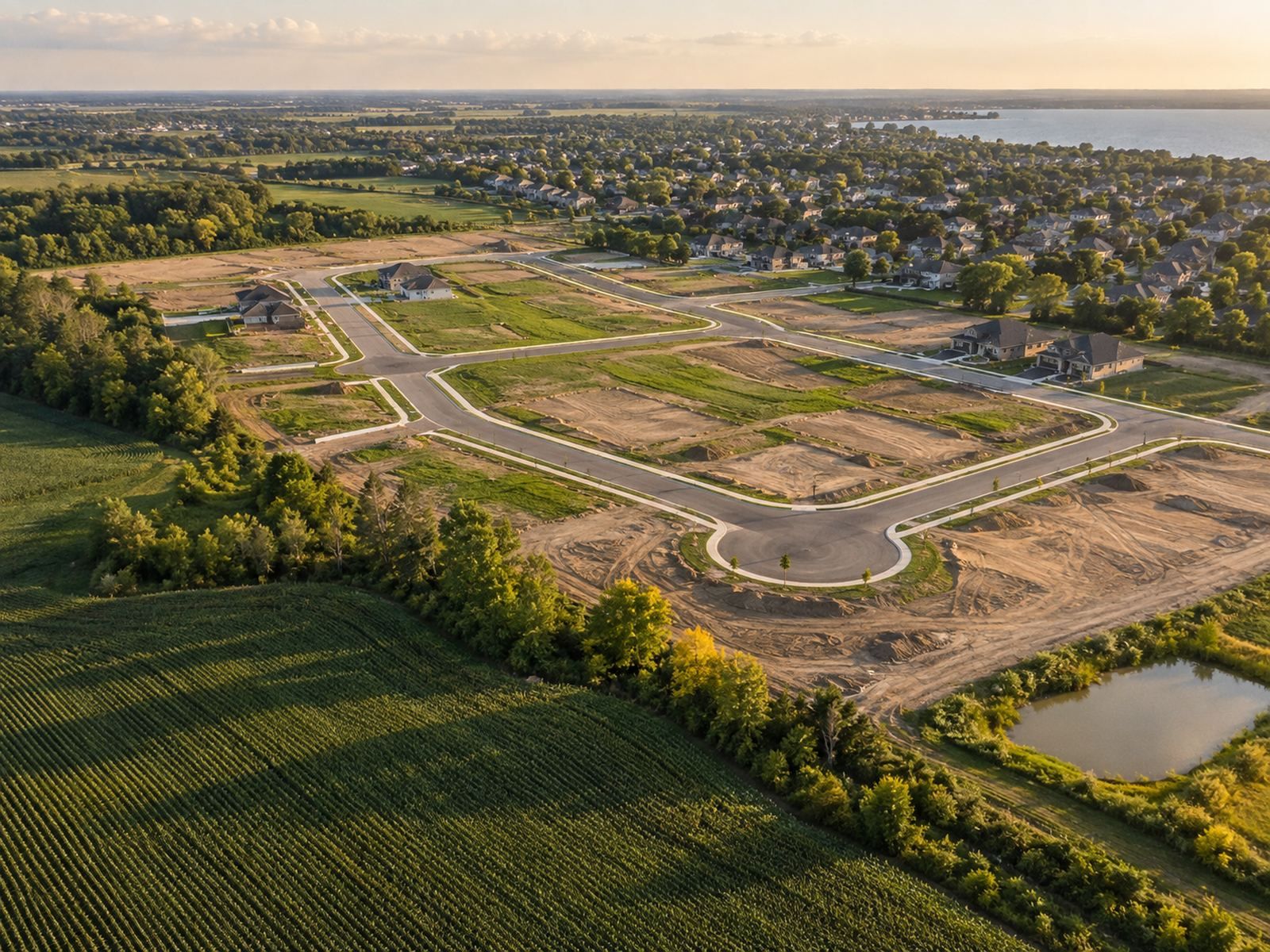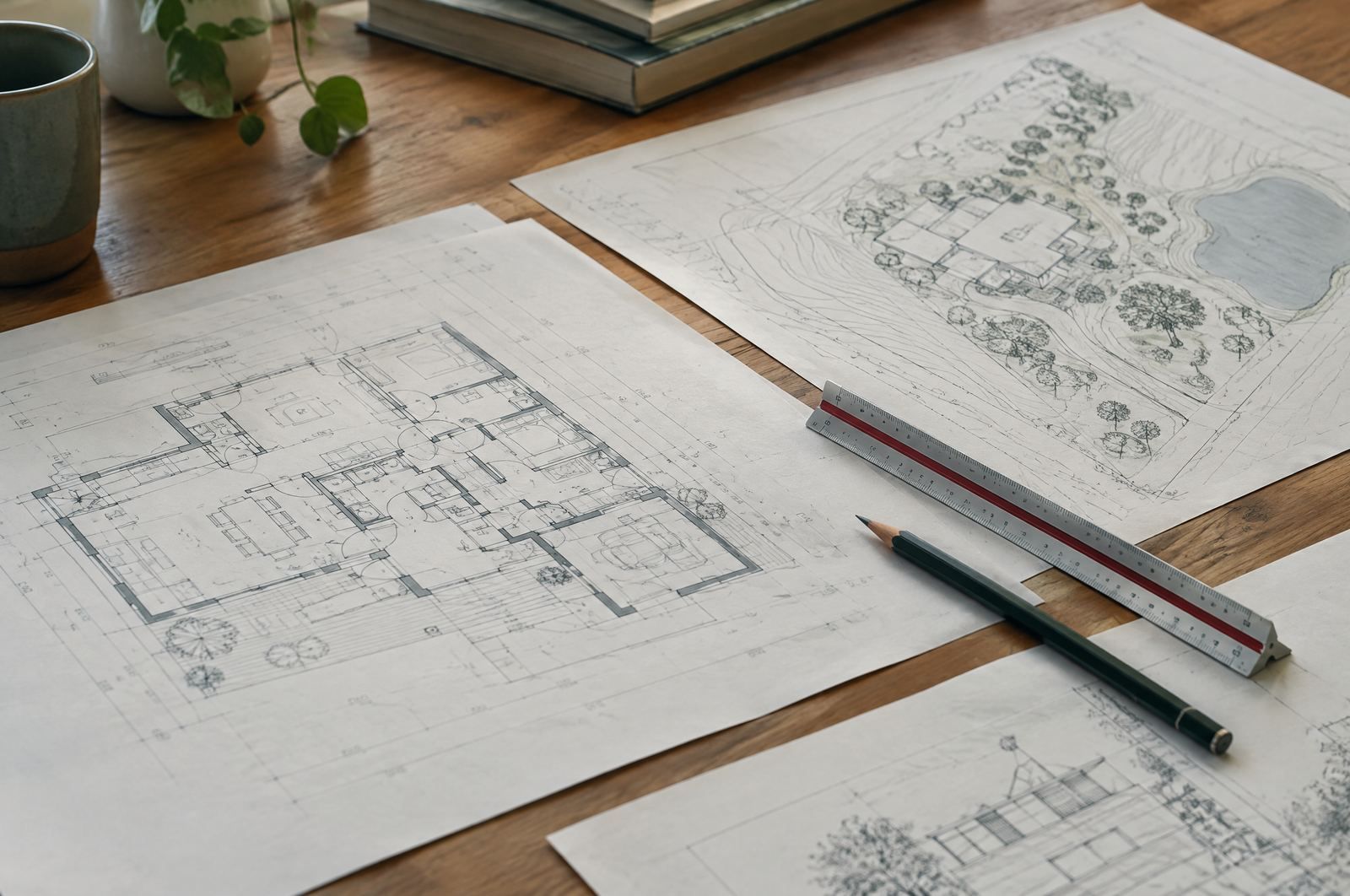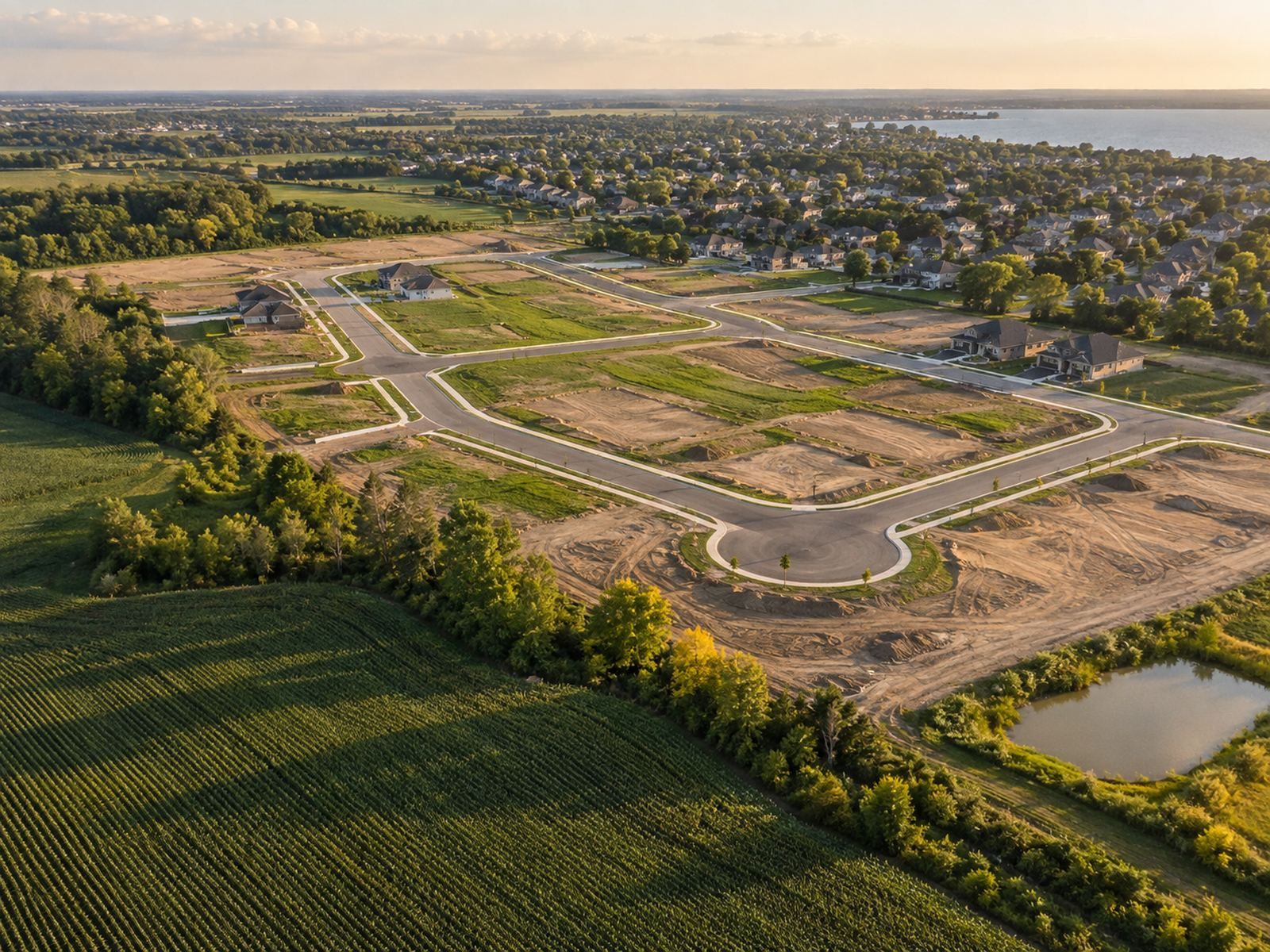
Highest and best use is the reasonably probable, legal use of a property that produces its highest value. It sits underneath every appraisal, because a property cannot be valued until the use it is being valued for is settled. Most of the time the answer is the current use. When it is not, this analysis can matter more than any other part of the report.
The four tests of highest and best use
Each possible use is put through four tests, in order. A use that fails one test is dropped before the next.
- Legally permissible. The use has to be allowed by the official plan, the zoning by-law, any restrictive covenants or easements, and heritage rules. A use that needs a rezoning counts only if approval is reasonably probable.
- Physically possible. The site has to be able to hold it. Size, shape, slope, soils, access, flood risk and servicing all count.
- Financially feasible. The use has to produce enough value to cover the cost of creating it, plus a reasonable return. Many uses that are allowed and buildable fail here.
- Maximally productive. Of the uses still standing, the one that produces the highest value for the land is the highest and best use.
As though vacant and as improved
For a built property, the analysis is done twice. As though vacant, it asks what the ideal use of the land would be. As improved, it asks whether the building that is there should be kept, renovated, converted or demolished. An existing building remains the highest and best use as long as the property is worth more with it than the cleared land would be, after demolition costs. Where a building is close to that line, an interim use may hold the site until redevelopment makes sense. A single-storey commercial building on a large lot near transit is a familiar example. The building still earns rent, while the land beneath it may be worth more for a mid-rise project.
When highest and best use matters most
- An older, low-density building on a corridor where the official plan now supports more density
- Industrial land in an area shifting toward residential or mixed use
- A legal non-conforming use that cannot easily be expanded or rebuilt
- Land being bought or financed on the strength of a future use
- Land assemblies, where combined parcels can be worth more than each one alone
What a highest and best use analysis gives you
A highest and best use conclusion can sit inside an appraisal or stand alone as advisory work. Either way, you see each use that was considered, the test it passed or failed and the evidence behind the conclusion. For a lender, that shows which use the value depends on. Planning opinions remain with your planner. For a deeper financial test of a chosen use, see feasibility and market studies, and for valuing the site itself, see development land appraisals.
What to have ready
- Survey, site area and legal description
- Official plan designation, zoning and any site-specific by-laws
- Pre-consultation notes or planning applications
- Details of existing buildings and their condition
- Servicing information
- Environmental reports
- Any concept plans you have already explored
Questions
Is highest and best use part of every appraisal?
Yes. Value depends on use, so every appraisal reaches a conclusion on highest and best use. For a house in a residential area it may take a paragraph. For a redevelopment site it can be the centre of the report.
Can the highest and best use be something the zoning does not allow today?
Only where a change is reasonably probable, supported by planning policy and by approvals granted for similar sites. The time, cost and risk of getting there are then reflected in the value.
What is a legal non-conforming use?
A use that was lawfully established before the current zoning and is allowed to continue even though the zoning no longer permits it. It can affect value, especially where expansion or rebuilding is limited. Ask your lawyer or planner how the rules apply to your property.