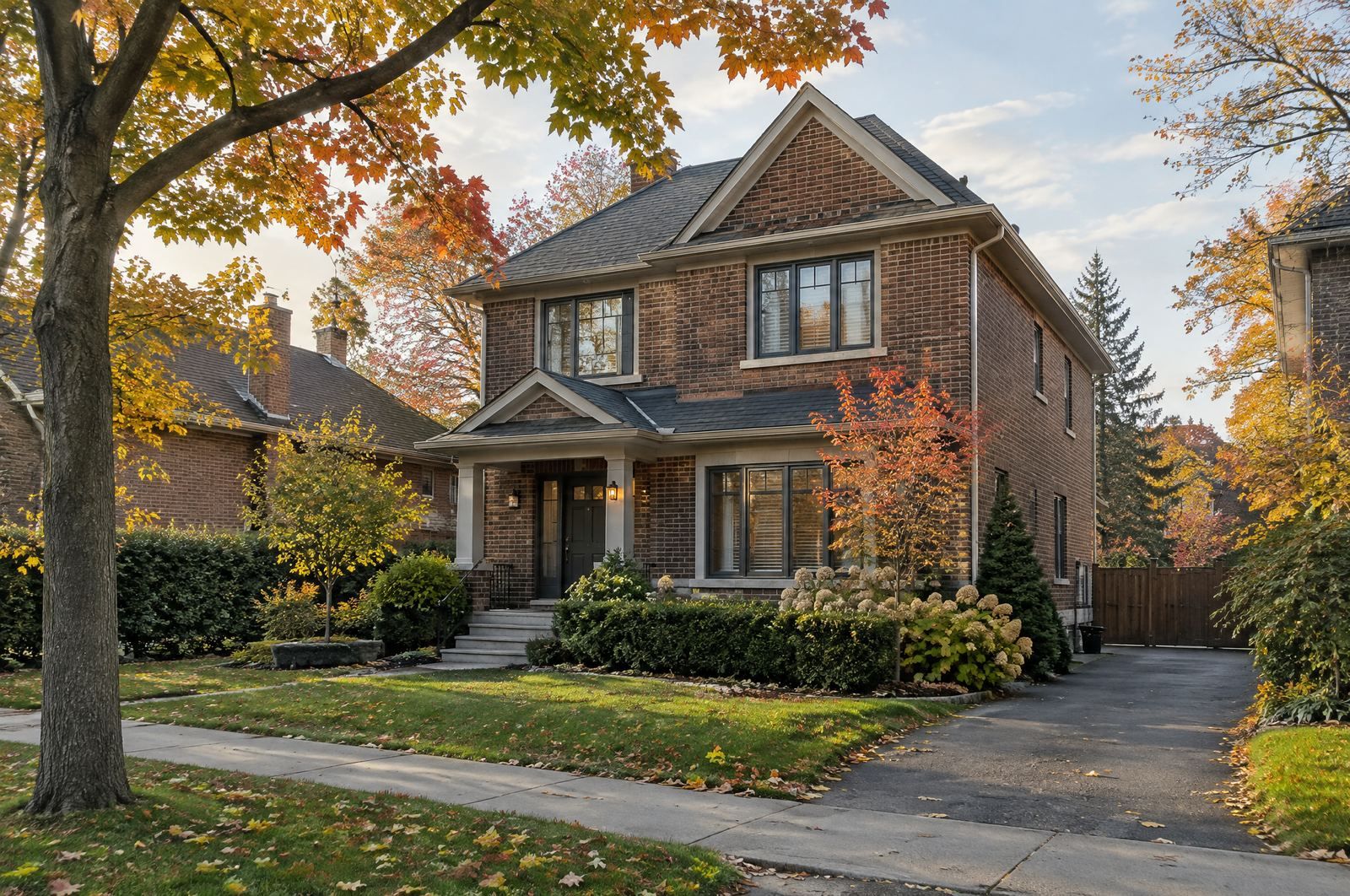
The visit is the appraiser's main chance to see your home in person. The research and analysis that follow depend on what is recorded that day, so a little preparation means nothing is missed and no second trip is needed. This checklist is for owners of houses, condominiums and small multi-unit properties. If your appraisal is for a commercial property, use the commercial checklist instead.
Before the visit
Confirm the appointment time and give the appraiser one contact who can answer questions and let them in. If you will not be home, arrange for someone who knows the property to be there, or agree in advance how keys will be handed over.
Tell the appraiser about anything that affects access, such as a dog that needs to be secured, a gated driveway, a building with a concierge or a unit that is rented. If the home has tenants, arrange entry with them well ahead and give them the notice the law requires. Your lawyer or paralegal can confirm what that is if you are unsure.
Make every part of the home accessible
To help determine an accurate value, the appraiser will need to see every finished area of the home. Some things that can be done before the appraiser arrives are unlocking the basement door, the garage, the furnace or mechanical room, and any sheds or outbuildings. Clearing a path to the furnace, hot water heaters or electrical panels can help the appraisal go more smoothly.
In the case of a condominium, make sure to have the locker and parking numbers ready, along with access to these areas or any other exclusive areas such as the terrace.
There is no need to redecorate or stage the home. A simple tidy area will do and helps move our visit along. Our goal is to view and record the condition of the property.
List recent improvements
Write down the work done in the last several years with approximate dates: roof, windows, furnace and air conditioning, kitchen, bathrooms, flooring, basement finishing, additions, decks and landscaping. Note whether the work was done with a permit. A one-page list saves time at the visit and keeps details from being forgotten.
Keep the list factual. What a renovation cost and how much it adds to market value are separate questions, and the second one belongs to the appraiser's analysis. Mention known problems too, such as past water in the basement or a roof near the end of its life. The appraiser will usually see the signs anyway, and your explanation helps put them in context.
Documents worth finding
Not all of these documents are needed for every appraisal, but each one will help if it is accessible:
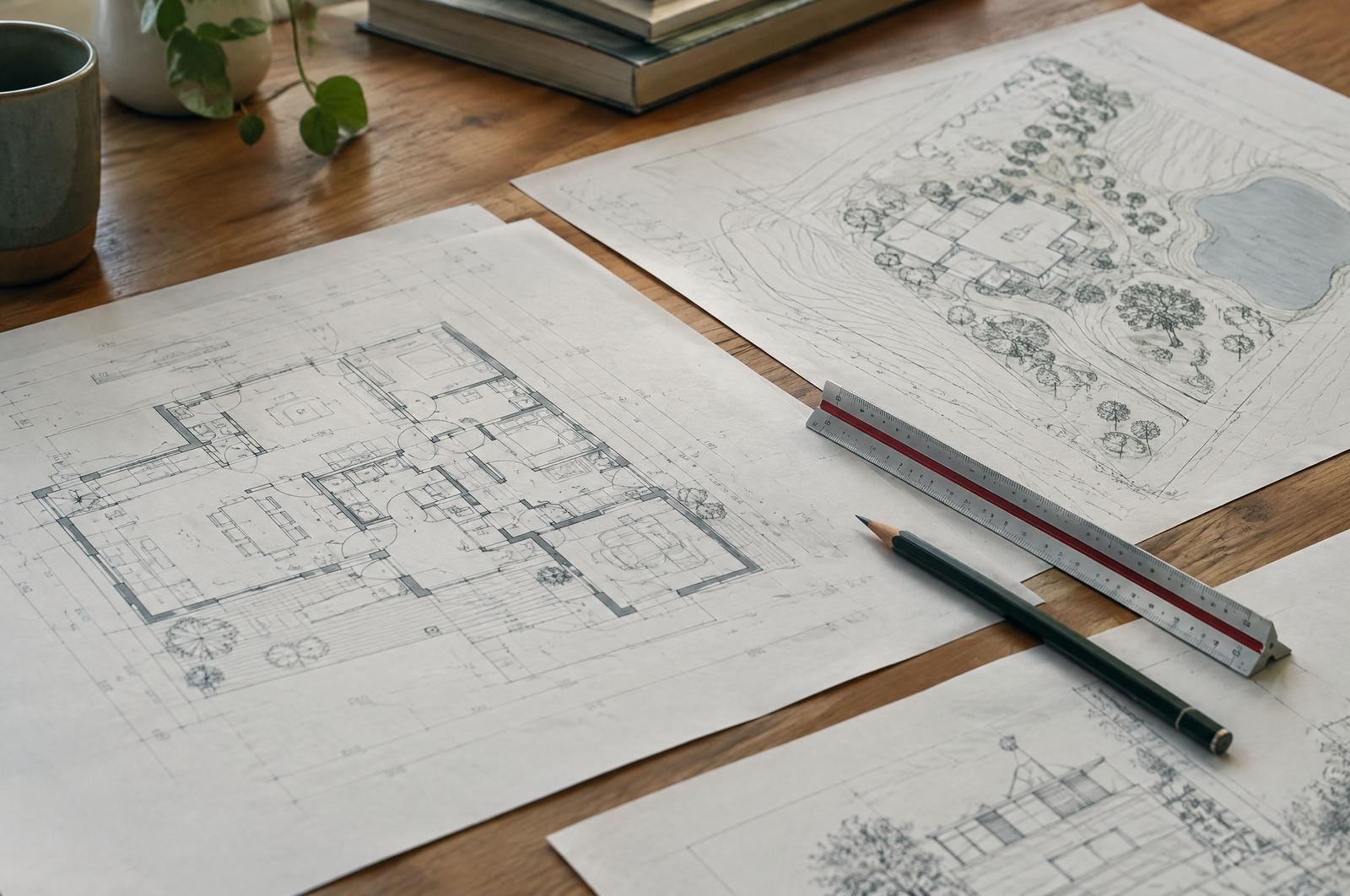
- a survey or site plan, which shows the lot lines and the buildings on the lot
- building permits and plans for additions, decks, garages or a finished basement
- for a condominium, the monthly fee and, if available, a recent status certificate
- for rented units, the lease and the current rent
- for a purchase, the agreement of purchase and sale
- for a mortgage, the instructions from your lender or broker
If you are able, send copies of these documents to your appraiser ahead of time, or have them out and visible for our visit. You can check with your appraiser to determine which of these documents matter the most to your appraisal.
During the visit
The appraiser walks through the home and around the outside, taking measurements, photographs and notes on construction, layout, finishes and condition, as the scope requires. They may ask about the age of the furnace or roof, recent work and anything unusual about the property. Answer what you know, and say so when you do not know.
An appraisal visit is a different job from a home inspection. The appraiser is gathering information for an opinion of value and does not test systems, open walls or certify the condition of the building. If you need that kind of report, hire a home inspector.
The appraiser will not give you a value at the visit. The research and analysis come next.
After the visit
Send any document you promised as soon as you can, since missing information can hold up the report. If you remember an improvement or a problem you did not mention, tell the appraiser. If the appraisal is for a mortgage, the lender is often the client, so ask your lender or broker for a copy of the report. The appraisal process guide explains what happens between the visit and delivery.
What to have ready
- A confirmed appointment and one contact who can let the appraiser in
- Keys, codes or fobs for every locked area, including garages, sheds and condo lockers
- Arrangements for pets, and proper notice to any tenants
- A list of improvements with approximate dates, such as roof, windows, kitchen, baths and furnace
- Building permits and plans for additions or a finished basement, if you have them
- A survey or site plan, if you have one
- For a condominium, the unit, parking and locker numbers and the monthly fee
- Lender or broker instructions, and the purchase agreement if you are buying