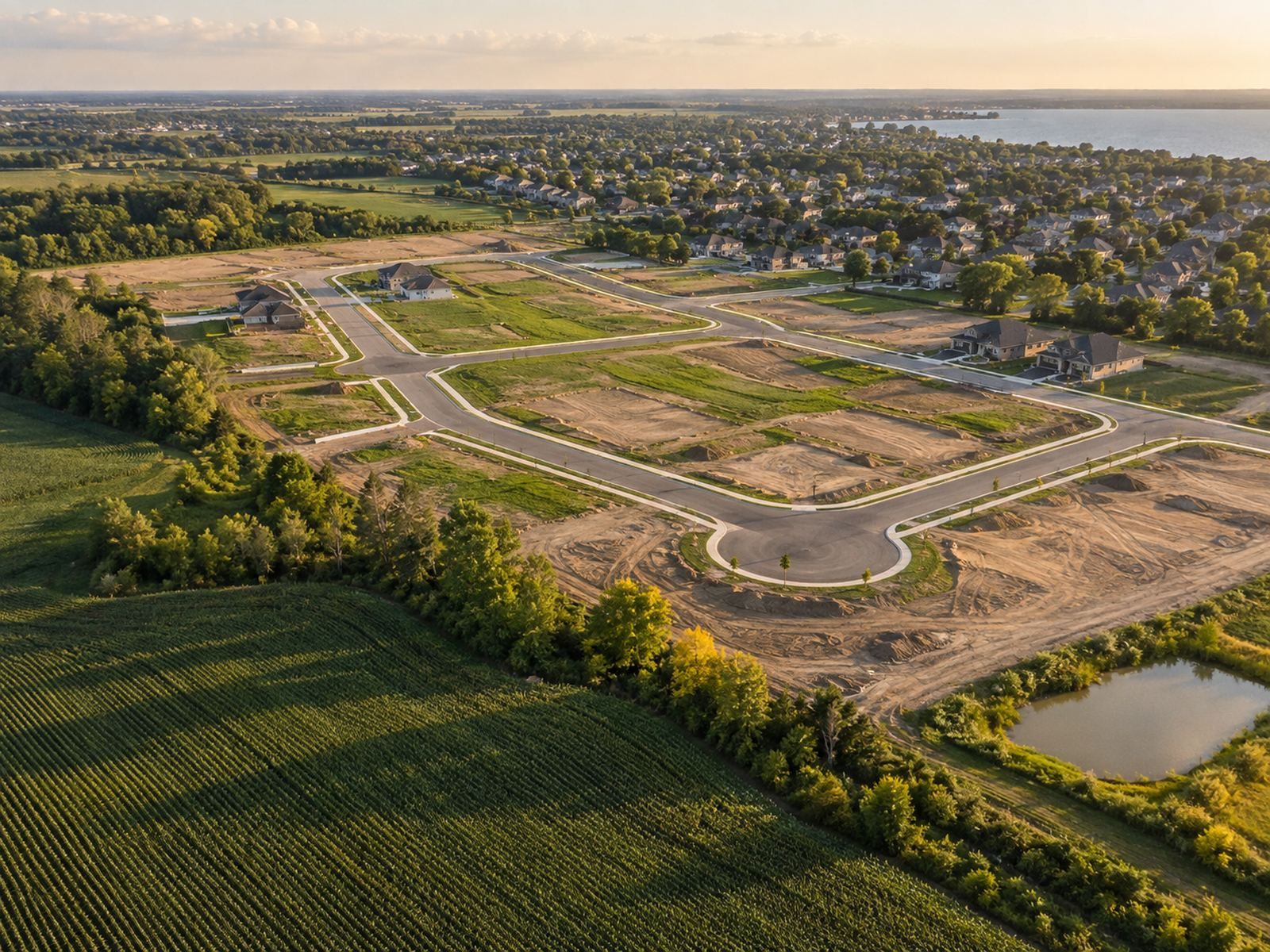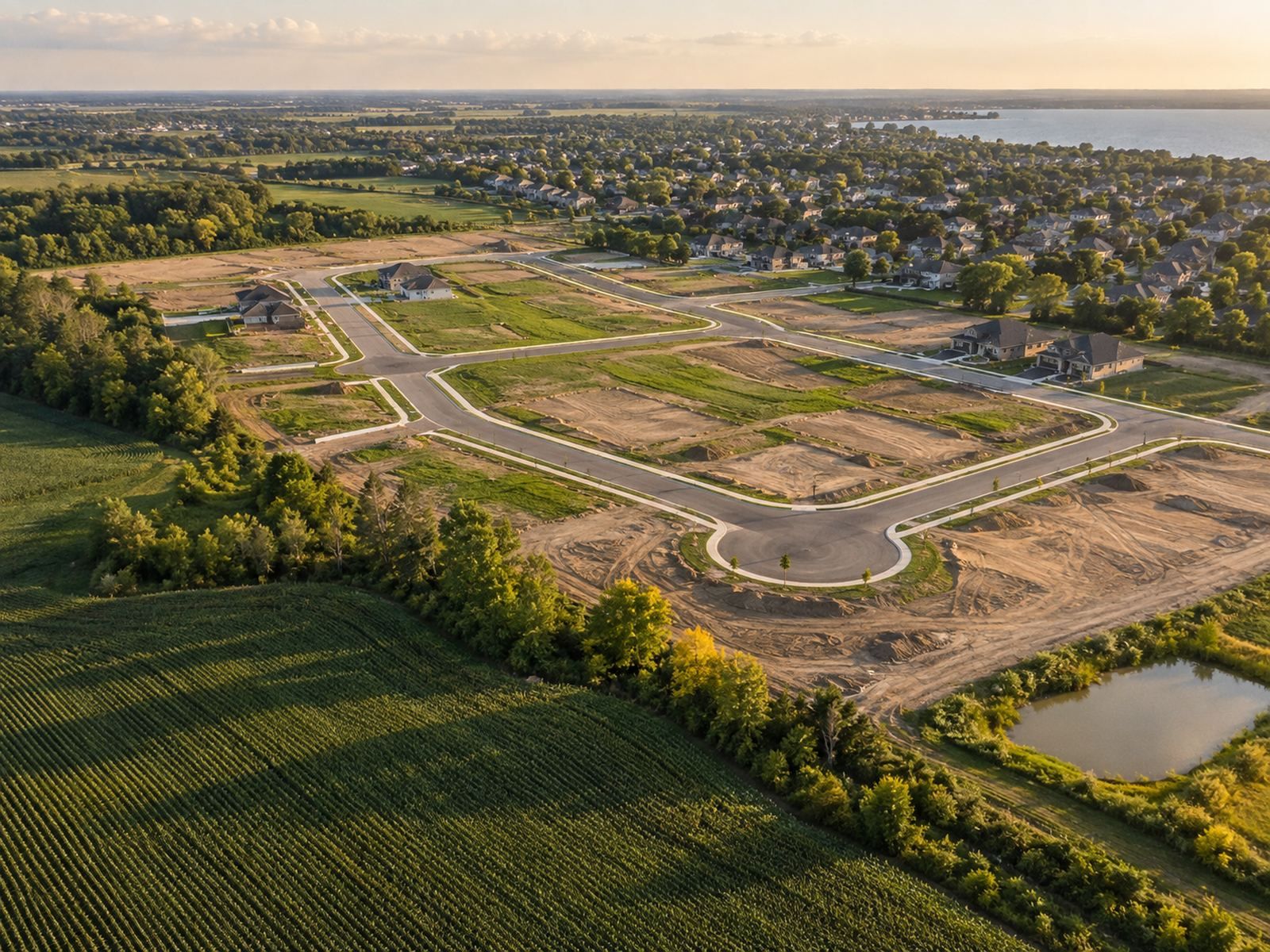
A market study tells you what the market looks like. A feasibility study tells you whether your project works in it. Both belong at the point before money is committed: before you buy a site, before you decide what to build, before you sign a long lease. AREAS approaches each study as an investor would, starting with the decision it has to support.
Market studies and feasibility studies
A market study describes demand and supply for a property type in a defined area. It covers who the likely tenants or buyers are, what they pay, how much competing space exists or is planned, and how quickly new space has been taken up. A feasibility study adds your project to that picture. It sets expected revenue against costs, timing and financing, and asks whether the return clears the target you set. Many assignments combine the two.
What a feasibility or market study covers
The scope is agreed first, so the study answers your question without padding. A typical study covers:
- the trade area and the competing properties within it
- supply in the pipeline, from applications to construction
- demand drivers such as population, households and employment
- achieved rents and prices, with the evidence behind them
- absorption, lease-up or sell-out pace
- for feasibility, revenue, costs, timing and return, with sensitivity
Studies are sized to the decision. A question about achievable rent for one retail unit needs far less work than a test of a mixed-use project built in phases.
When a study is worth commissioning
- Before buying land or a building for a specific project
- Before choosing between rental, condominium or commercial uses for a site
- Before a major renovation or repositioning
- Before committing to a long lease or a relocation
- When a partner, investor or lender asks for market support
The earlier a study is commissioned, the more it can change. Once the land is bought or the lease is signed, a study can only describe the risk you have already taken on.
How a study connects to land value
A feasibility study and a land appraisal look at the same project from opposite ends. The study asks whether the project works at a given land cost. A residual land analysis asks what the land is worth if the project works. Where the use itself is in question, highest and best use analysis settles it first, and a development land appraisal puts a value on the site.
Sources and limits
Studies can draw on public data such as Statistics Canada census results and CMHC rental market reports, on municipal planning records and on local sale and leasing evidence. Where local evidence is thin, as it can be in smaller markets, the study says so and explains how far afield it looked. Every study is a view at a date. Assumptions about the future are labelled as assumptions, and the sensitivity analysis shows which ones matter most, so you can judge the risk for yourself.
What to have ready
- The decision the study supports, and your deadline
- Site or property address and details
- The proposed concept, with uses, unit count or floor area
- Construction cost estimates or a budget, if available
- Your target returns or hurdle rates
- Earlier studies, planning reports or appraisals
- Competing properties you already know about
Questions
How is a feasibility study different from an appraisal?
An appraisal gives an opinion of a property's market value at a date. A feasibility study asks whether a specific project or decision makes sense, given the market and the costs. A study can use an appraisal as one input, and an appraisal can draw on market research.
Do you estimate construction costs?
Construction costs should come from a cost consultant, quantity surveyor or builder. The study uses the estimate you provide and shows how sensitive the result is to it.
Can a study compare more than one option?
Yes, if the scope includes it. Comparing two or three concepts for the same site, such as rental against condominium, is a common reason to commission a study, and it ties closely to highest and best use analysis.