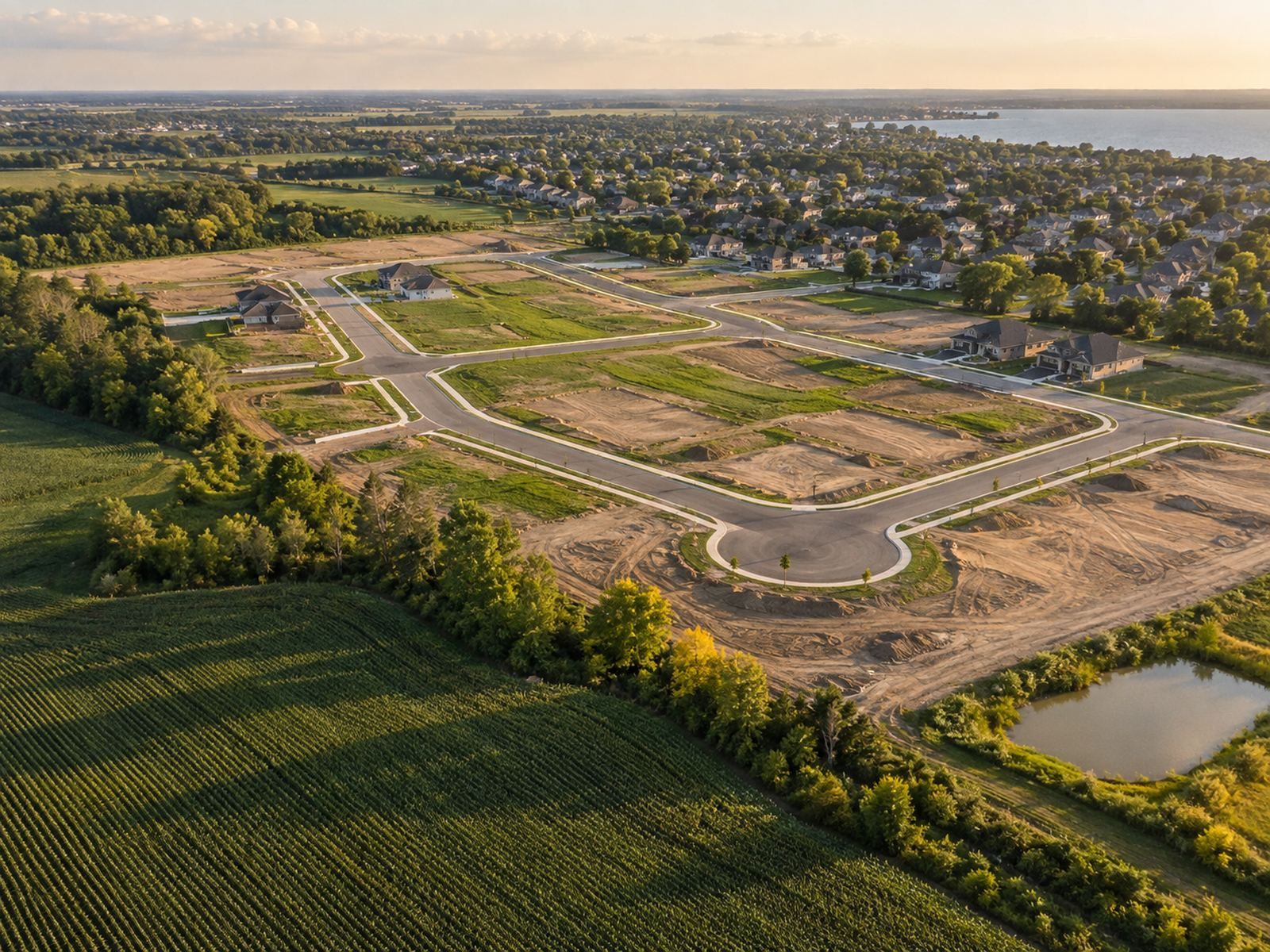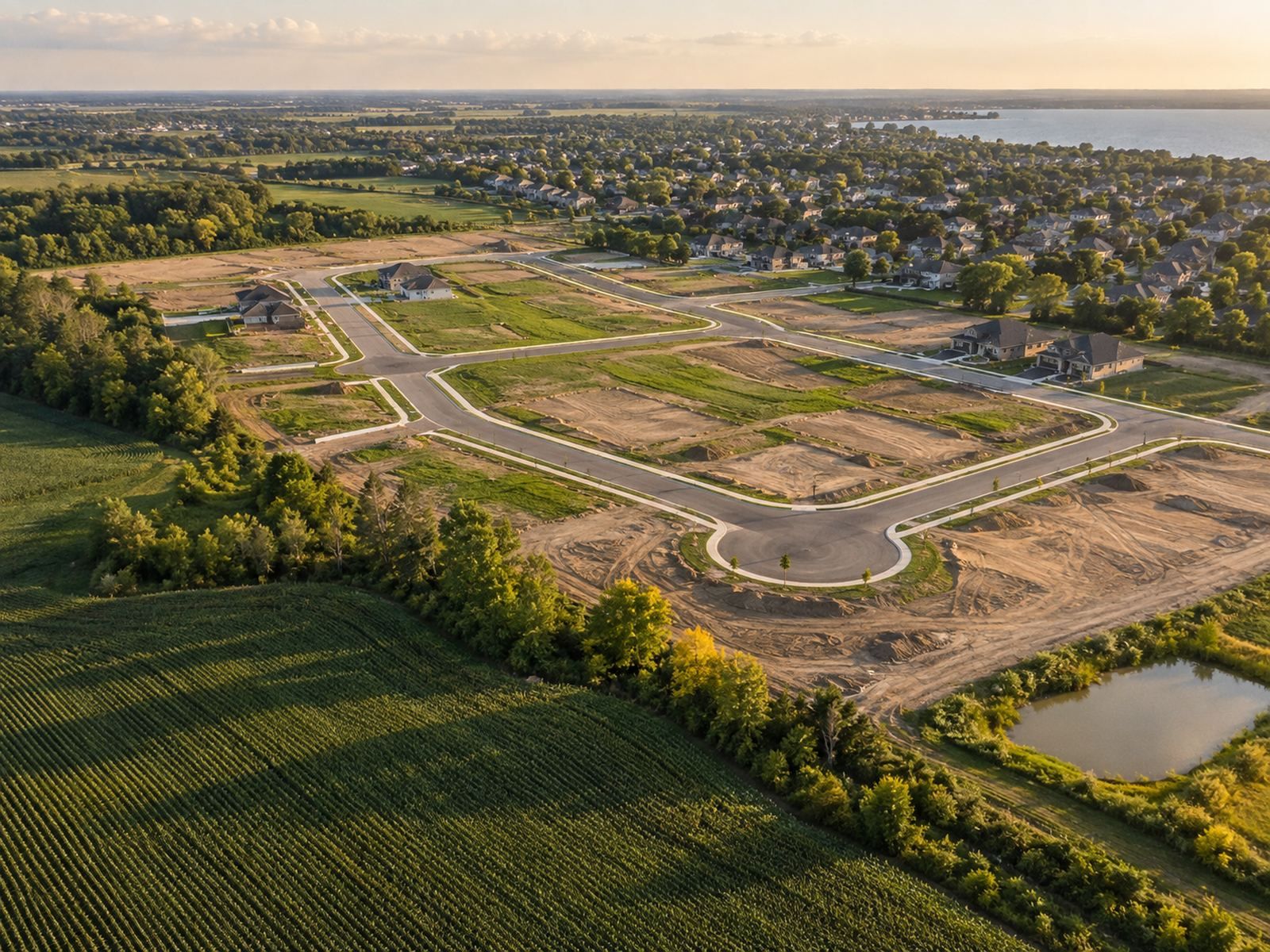
Development land has no rent roll. Its value depends on what can be built, how long approvals will take, what servicing will cost and what the finished project will sell or lease for. AREAS appraises commercial and residential development land across Ontario, and reads each site the way a developer weighing a purchase would, with the risk and timing of approvals in plain view.
Development land we appraise in Ontario
- Commercial development sites
- Single-family residential development land
- Multi-family residential development land
- Built sites where redevelopment may be worth more than the current use
Planning context in Ontario
In Ontario, use and density are set by the municipality's official plan and zoning by-law, within provincial planning policy. A site's value depends on what those documents allow today and on what a change is reasonably likely to allow. We review the designation, the zoning, any site-specific amendments and the record of similar applications nearby. Conservation authority regulation, heritage designation, servicing capacity and road access can all limit what is buildable. Where the planning picture is uncertain, the report says so and shows how it was treated.
Approvals status and land value
Land moves through stages, from unapproved, to designated for development, to draft plan approved, registered and serviced. Each step removes some risk and some waiting, and the market pays for that. Two parcels with the same eventual use can differ widely in value because one has approvals in hand and the other is years away. Tell us exactly where the site sits in the process, including any conditions of draft approval and any development charges or cost-sharing obligations still to be paid. A lender financing land will look closely at this, because the approvals still outstanding are where much of the risk sits.
Highest and best use comes first
Before land can be valued, the use it will be valued for has to be settled. Highest and best use analysis tests the uses that are legally permissible, physically possible and financially feasible, then identifies the most productive of them. For many sites the answer is obvious. For others, such as an older plaza on an intensification corridor, it is the main question. See highest and best use analysis for how the four tests work.
How land value is estimated
Direct comparison with land sales is the main method. Sales are compared per acre, per buildable unit or per square foot of buildable floor area, whichever the market uses for that type of site. A residual land analysis works backward from the finished project's value, through costs and profit, to the land. It is sensitive to every input, so it usually serves as a cross-check, carrying more weight only where land sales are scarce. Where a project needs a deeper test of demand and returns, a feasibility study can sit alongside the appraisal.
What to have ready
- Legal description, survey and site area
- Official plan designation and zoning
- Planning applications, approvals and conditions
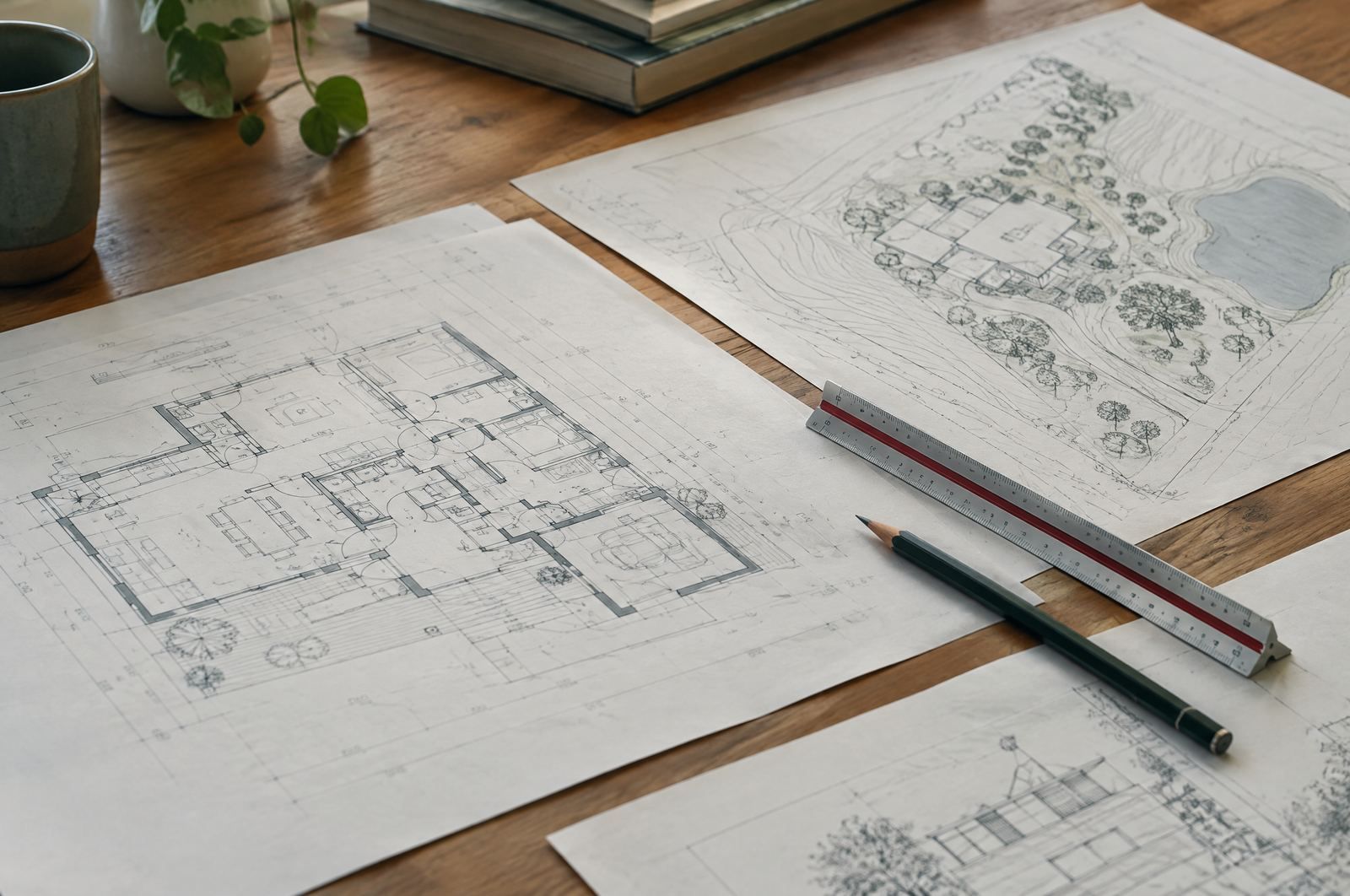
- Concept or site plans with unit count or floor area
- Servicing information for water, sewer and road access
- Environmental and geotechnical reports
- Any agreement of purchase and sale on the site
Questions
Can you value land as if approvals were already in place?
The appraisal values the site as it stands on the effective date, with the approvals it actually has. A value that assumes approvals not yet granted is a hypothetical condition, and the report says so clearly. Lenders and other users can treat those values differently, so tell us how the report will be used.
What is a residual land analysis?
It starts with the value of the finished project, then deducts construction and soft costs, financing, time and a developer's profit. What remains indicates what a developer could pay for the land. Small changes in the inputs move the result a lot, so it is usually tested against land sales.
Do you provide planning opinions?
Planning opinions come from a land use planner. The appraisal relies on the planning record and any planner's report you share, and it states the assumptions it makes about approvals.