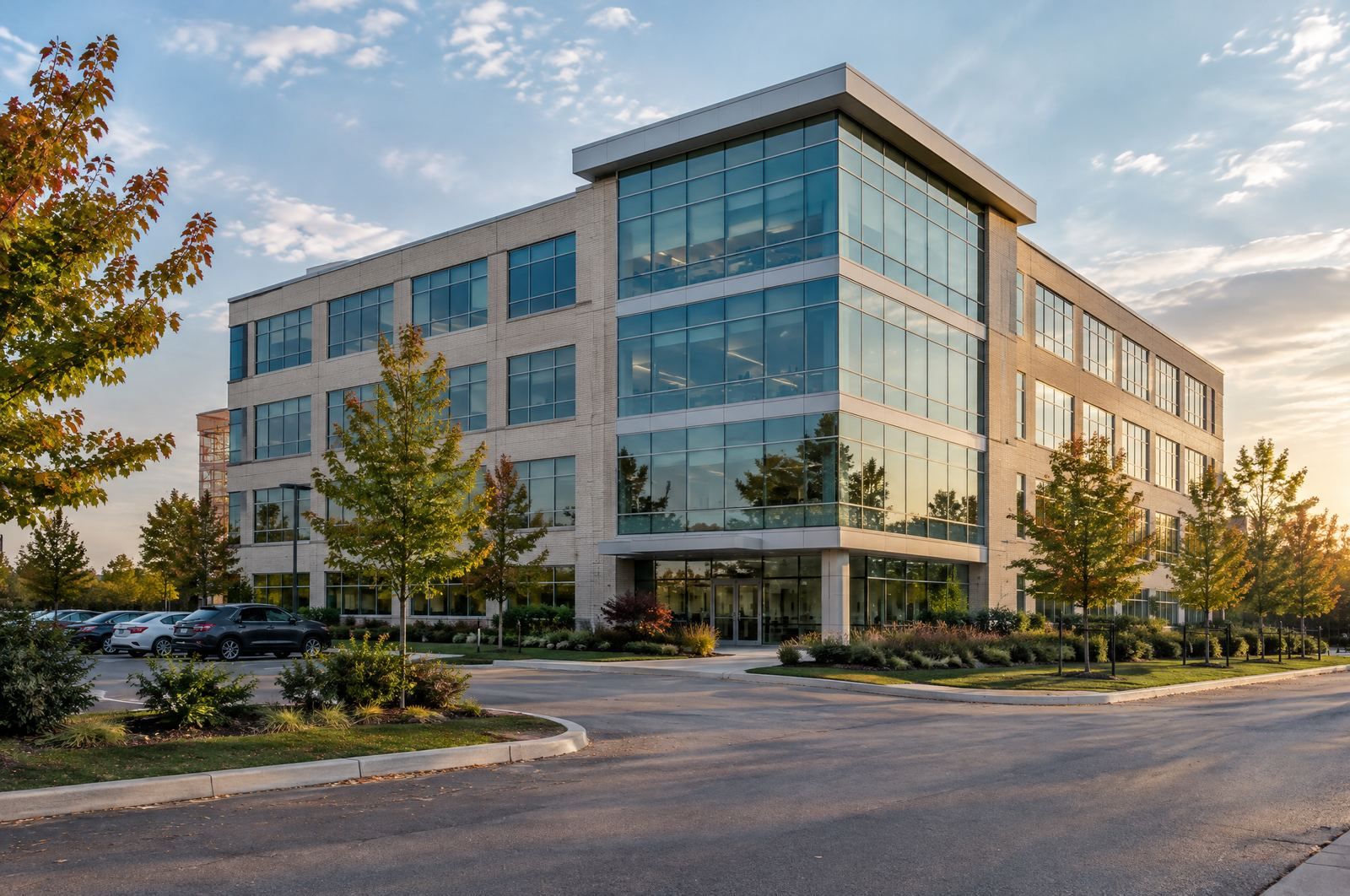
Office value rests on income, which means who pays rent, on what terms and for how long, and how much of the building's operating cost comes back through recoveries. AREAS reads an office building lease by lease, the way an investor underwriting it would, backed by more than 25 years of cash-flow modelling. The result is an independent opinion of value that shows its working.
Office properties we appraise in Ontario
- Office towers, including downtown core buildings
- Single-tenant and multi-tenant suburban office
- Mixed-use properties with an office component
- Office condominium units
We take office assignments across Ontario, for financing, acquisition, disposition and internal decisions. Mixed-use buildings often pair office floors with ground-floor retail or apartments, so each component is analyzed on its own terms before the whole is valued.
Reading the leases and the rent roll
The rent roll is the starting point, and the leases are the evidence. We check one against the other: suite areas, start and expiry dates, rent steps, renewal and termination options, and any free rent or tenant allowances still owing. Where the two disagree, we flag it and confirm which document governs. Tenant quality matters too. A long lease to a strong tenant carries less risk than the same rent from a new business on a short term, and the capitalization or discount rate should reflect that difference.
Vacancy, rollover and leasing costs
Office income is most exposed when leases expire. We look at current vacancy, the schedule of upcoming expiries and how in-place rents compare with market rent. Filling space costs time and money, in downtime between tenants, leasing commissions, tenant improvements and inducements. A building with heavy rollover in the next few years can be worth noticeably less than its current income suggests. Current facts, proposed deals and forecasts are kept separate, so the report is clear about which is which.
Recoveries and operating costs
Many office leases are net or semi-gross, with tenants paying a share of operating costs and realty taxes on top of base rent. What matters is the gap between what the landlord spends and what it recovers. Caps on recoveries, gross leases, limits on management fees and costs the leases do not allow the landlord to pass on all widen that gap and reduce net operating income. Year-end reconciliations show whether recoveries actually matched the budget, so we ask for them.
How the office valuation comes together
The income approach usually carries the most weight for leased office property. That can mean direct capitalization of stabilized income, a discounted cash-flow analysis where the lease profile is uneven, or both. Sales of comparable buildings test the result. For office condominium units, direct comparison with unit sales often leads. The report states the property interest, the effective date and every assumption the value depends on, so a lender or investment committee can follow it. For a full lease-by-lease forecast, see DCF and ARGUS cash-flow modelling, and for reading the finished report, see how to read an appraisal.
What to have ready
- Rent roll with suite numbers and rentable areas
- Executed leases, amendments and side letters
- Recent operating statements and the current budget
- Operating cost and realty tax recovery reconciliations
- Floor plans and parking details
- Vacancy, leasing proposals and incentives on offer
- Planned capital work and any building condition report
Questions
Can you appraise a single office condominium unit?
Yes. Office condominiums are one of the office property types AREAS values. The analysis draws on sales of comparable units and, if the unit is leased, on the lease and the income it produces. Common expense fees, the reserve fund position and any use restrictions in the condominium documents are part of the review.
How is vacant space treated in an office appraisal?
The appraisal values the property as it stands on the effective date. Vacant space is usually analyzed at market rent, with allowances for the time, incentives and leasing costs needed to fill it, based on market evidence. If you also need a value once the building is fully leased, ask for it at the outset, because it answers a different question.
Can you also build a cash-flow model of the building?
Yes. A lease-by-lease model in ARGUS Enterprise can sit alongside the appraisal or stand on its own. The DCF and ARGUS modelling page explains what a model includes.