Industrial buildings are valued on how well they would work for the next user, which comes down to height, loading, power and the site itself. AREAS appraises industrial property across Ontario with an investor's view of the lease or, for an owner-occupied building, of the rent the space would command. The first step on every industrial file is to be clear about exactly what is being valued.
Industrial properties we appraise in Ontario
- Manufacturing plants
- Warehouse and logistics buildings
- Multi-unit industrial buildings
- Industrial condominium units
Separating the real estate from the equipment and the business
An operating plant can hold three kinds of value: the land and buildings, the machinery and equipment, and the business itself. A real estate appraisal deals with the first. Cranes, process piping, heavy electrical service and specialized fixtures sit on the line between building and equipment, so we agree with you at the start which items are treated as real estate. Inventory, customer relationships and goodwill belong to the business, and valuing a business is a separate assignment. Keeping these apart avoids a value that blends different questions, and it lets a lender see exactly what secures the loan.
What drives industrial value
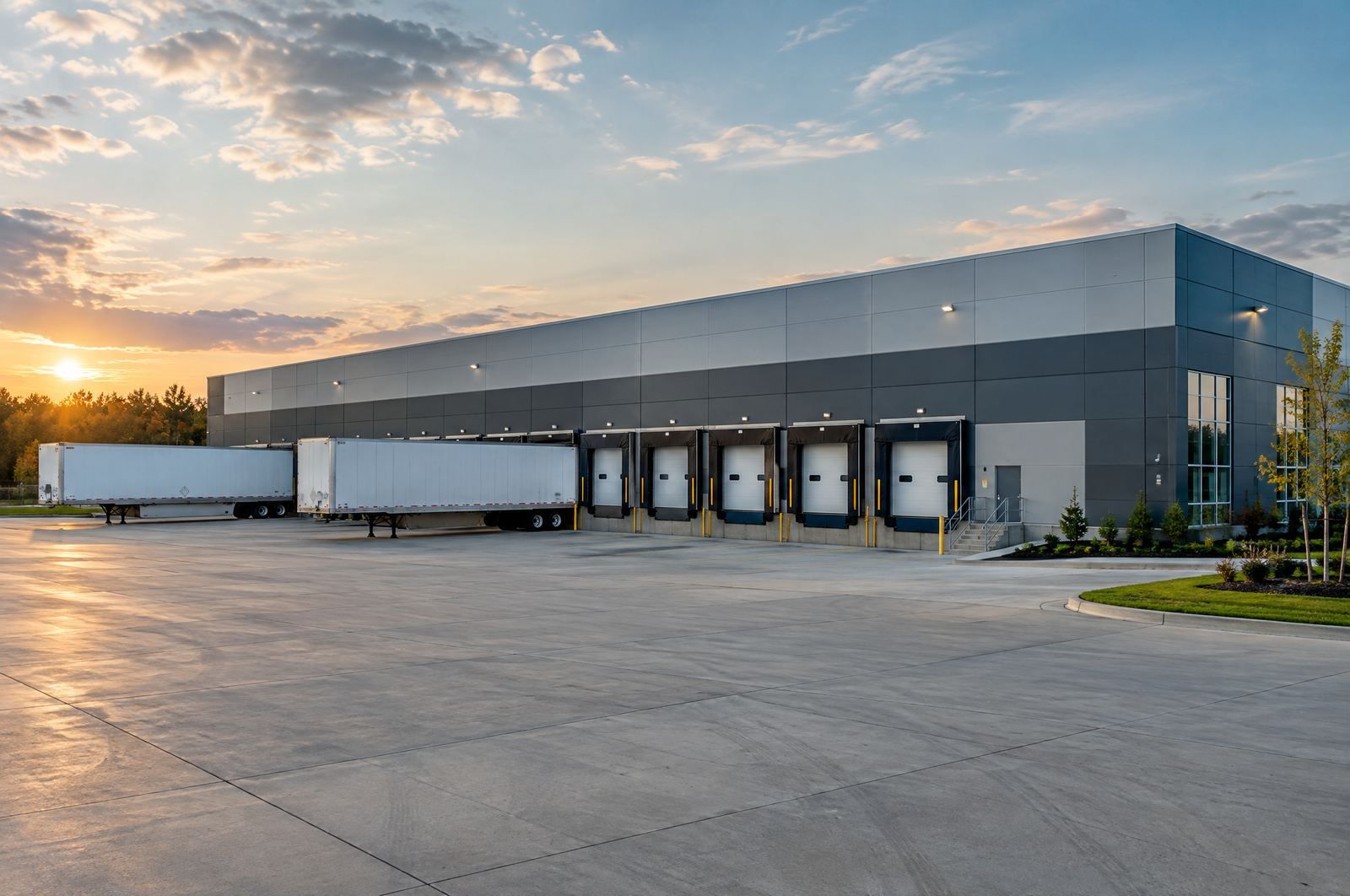
Buyers and tenants compare industrial space on a short list of physical features:
- clear height and column spacing
- shipping doors, both dock-level and drive-in
- power supply and sprinkler system
- site coverage, truck courts and outside storage
- office finish as a share of the floor area
- highway access and zoning
A building that falls short on these can have a narrower market than its size suggests, and the analysis says so.
Leased, owner-occupied and special-purpose buildings
Leased industrial property is often net leased, with the tenant paying operating costs and realty taxes, so the remaining term and the tenant's covenant carry much of the risk. Multi-unit buildings add rollover across many smaller tenancies. Owner-occupied buildings are valued with reference to market rent and comparable sales. Highly specialized plants can have few likely buyers. In those cases the analysis considers whether the current use remains the highest and best use, or whether conversion or redevelopment is more probable.
Environmental and technical reports
Industrial sites often have a history. Tell us about any Phase I or Phase II environmental site assessment, building condition report or survey that already exists. The appraisal relies on these reports where they are available and states its assumptions where information is missing. It does not replace them, and questions about environmental liability belong with your lawyer and environmental consultant.
How the industrial valuation comes together
Direct comparison with sales of similar buildings, adjusted for size, clear height, condition, site coverage and location, often carries real weight, because owner-occupiers are an important part of the industrial buyer pool. The income approach applies market rent and a capitalization rate drawn from sales of leased buildings. For newer or special-purpose buildings, the cost approach can show what a replacement would cost. The report explains which approach carried most weight and why. Where a site's value may lie in its land, see development land valuation.
What to have ready
- Site and building plans with floor and office areas
- Clear height, shipping doors and power supply, if known
- Leases, or a note that the building is owner-occupied
- Realty tax bill and operating costs
- A list of fixtures and equipment to exclude from the value
- Existing environmental, building condition or survey reports
- Zoning and any outside storage permissions
Questions
Will the appraisal include our machinery and equipment?
A real estate appraisal values the land and buildings. Tell us at the outset which items stay with the building and which are equipment, so the scope is clear. Machinery, equipment and the operating business are separate valuation questions.
We own and occupy the building. How is income considered?
The appraisal can estimate the rent the space would achieve if it were leased at market terms, which supports the income approach alongside comparable sales. Rent paid to yourself through a related company is reviewed against that market evidence.
Do you need an environmental report?
Not always, but tell us what reports exist. An appraisal is not an environmental assessment. Where contamination is known or suspected, the report states how it was treated, and your lender may have its own requirements.